
I have seen a lot of reactions and criticism about the new rebrand, and here is my take. Design follows strategy. If you haven't seen the strategy or brand positioning document, you're only reacting without context.
Before we criticize any redesign, we should first ask: What business problem is this solving? What direction is the brand trying to go? Whom are they trying to attract?
After being a designer for over 10 years, starting as a brand designer, moving into product design, and leading design teams, one thing I've learned is that design is subjective.
I remember working at one of the leading mobile phone companies in Nigeria. There were just two designers on the team. We'd both come up with different design directions, and most of the time, the version management approved wasn't even our favorite. In fact, it was usually the one we personally liked the least.
That experience taught me something early. As designers, we don't always have the final say. Our job isn't to design what we personally like. Our job is to design what works for the business.
A good design solves a business problem.
If a design isn't helping the business build trust, improve customer experience, communicate its vision, or create value, then it isn't doing its job.
Another thing people don't always realize is that opening your favorite design tools is usually the last stage of the design process. Before that comes research, stakeholder conversations, workshops, strategy, brand positioning, and countless iterations.
One thing I've noticed, especially in our design industry here in Nigeria, is that many designers haven't had the opportunity to work with strategy-led or business-led design. We're often exposed to oga-driven design or "copy-copy" design, seeing another brand do something and wanting to recreate it without understanding the thinking behind it.
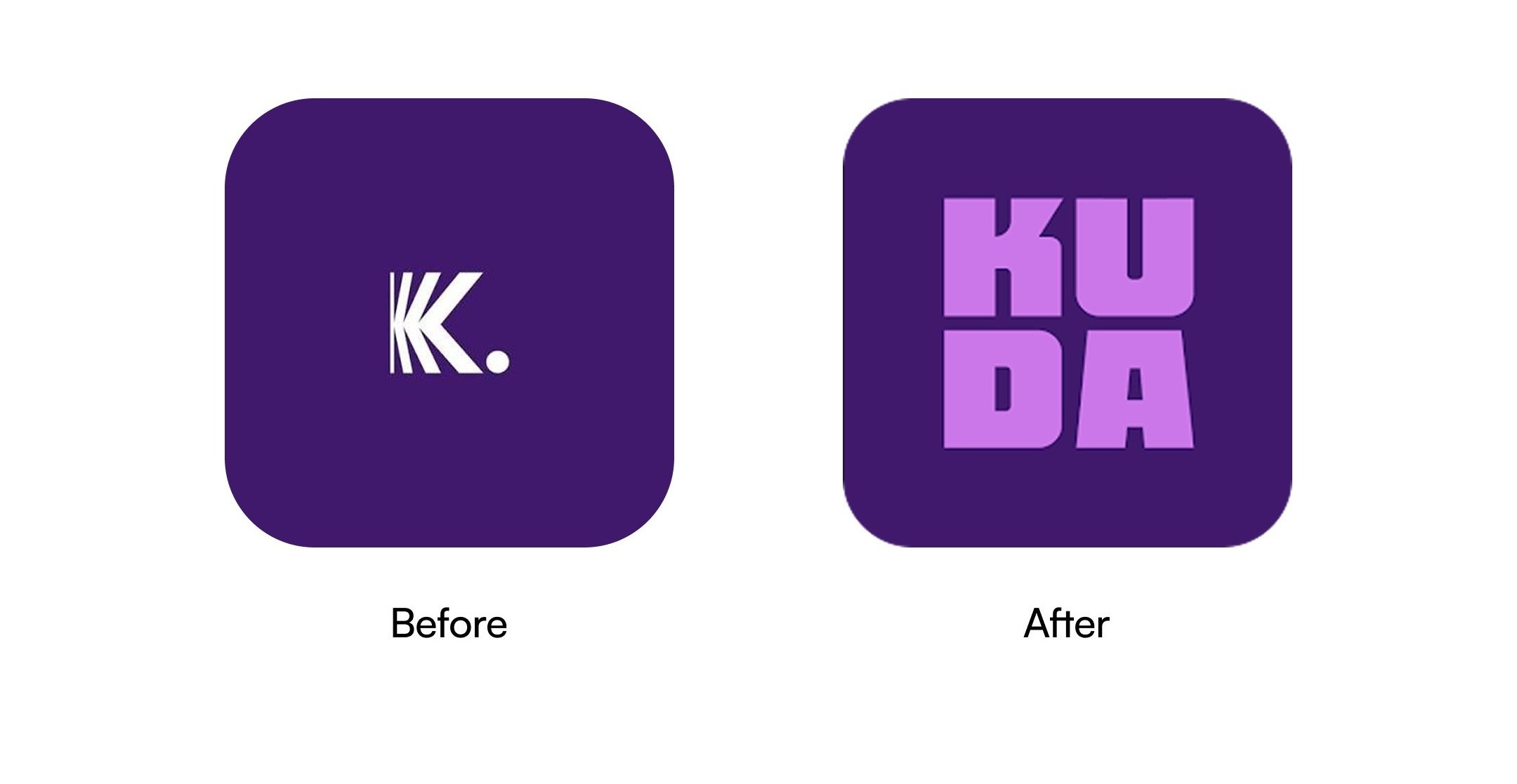
Now, let's talk about Kuda.
Personally, I like the rebrand.
Would I like it even more if I had the opportunity to read the strategy document behind it? Yesss. Because that's where the story and context are.
But from what I can see, the new identity communicates confidence, boldness, trust, and a clear direction for where the brand is headed. It feels like they're positioning themselves for their next phase of growth.
So yes, I like the Kuda rebrand.
My advice to every designer is simple: before criticizing someone else's work, remember that you're only seeing the final output, not the strategy, conversations, constraints, or months of thinking behind it.
At the end of the day, if your design isn't solving a business problem or creating value for the business, then no matter how beautiful it looks, it isn't good design.
_______
YouTube: https://www.youtube.com/@francis.odeyemi
Book a session: https://www.coachli.co/francisodeyemi
"Now, let's talk about Kuda.
Personally, I like the rebrand.
Would I like it even more if I had the opportunity to read the strategy document behind it? Yesss. Because that's where the story and context are."
Oh my days, thisss!
I was just telling a friend that I'd love to see their brand book. It'll make me have even more appreciation for the new design. 💗
I really love the rebrand and interface of Kuda app, the choice of fonts aloneeee, I sometimes wish PalmPay is like that…. What do mean that the “send money” feature is like a chat ☺️